Buy faden.eu ?
We are moving the project
faden.eu .
Are you interested in purchasing the domain
faden.eu ?
domain@kv-gmbh.de · 0541-91531010
Buy faden.eu ?
What are trophic levels and trophic structures?
Trophic levels refer to the hierarchical levels in an ecosystem through which energy and nutrients flow. They represent the feeding positions of different organisms in a food chain or food web. Trophic structures, on the other hand, describe the organization of these trophic levels within an ecosystem. This includes the distribution of energy and nutrients among different organisms, as well as the interactions and relationships between them. Overall, trophic levels and trophic structures are important concepts for understanding the flow of energy and nutrients in ecosystems and the dynamics of food chains and food webs. **
Are trophic levels and trophic levels the same in biology?
No, trophic levels and trophic levels are not the same in biology. Trophic levels refer to the hierarchical levels in an ecosystem based on an organism's position in the food chain, such as producers, primary consumers, secondary consumers, etc. On the other hand, trophic cascades are the indirect effects that occur when a change in one trophic level impacts other trophic levels in the ecosystem. Both concepts are important in understanding the dynamics of energy flow and interactions within ecosystems. **


Similar search terms for Trophic
Top-Angebote
Products related to Trophic:
-
Inspired Deals Thread Cutter Ring Finger Tool For Sewing & Embroidery Precision Cutting yellowTired of reaching for scissors every time you need a quick trim This 10 pcs thread cutter ring is designed to stay right where you need iton your fingerso you can cut threads instantly and keep your workflow smooth. Perfect for crafters, sewists,...39,97 $*Shipping: 0,00 $Secure redirect to the provider
-
Uplift Picks Aluminum Needle Threader Set 50 Or 100PCS Fast Threading Tools For Sewing And Embroidery 50 PcsMake threading small needle eyes quicker and less frustrating. These needle threaders use a lightweight aluminum grip with a fine wire loop that guides thread through compatible handsewing needles. Comparable designs are widely used for embroidery,...25,00 $*Shipping: 0,00 $Secure redirect to the provider
-
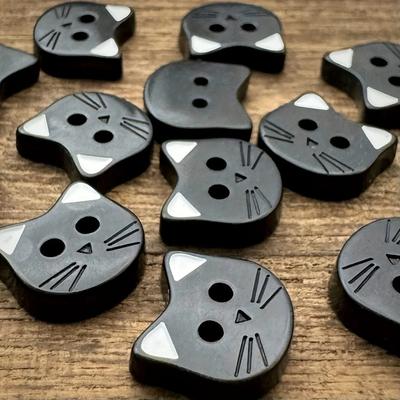
Uplifted Finds Cute Black Cat Resin Sewing Buttons Decorative Craft Fasteners Set Of 10 Cute Black Cat Resin Sewing Buttons Decorative Craft Fasteners Set Of 10Add a playful and charming touch to your DIY projects with these adorable black cat resin buttons. Designed with cute white ears and expressive faces, these buttons are perfect for sewing, crafting, and decorative accents. Their compact size makes...40,97 $*Shipping: 0,00 $Secure redirect to the provider


-
Are trophic levels and trophic levels the same thing in biology?
No, "trophic levels" and "trophic levels" are not the same thing in biology. "Trophic levels" refer to the hierarchical levels in an ecosystem based on an organism's position in the food chain, such as producers, primary consumers, secondary consumers, and so on. On the other hand, "trophic levels" appears to be a typographical error or a repetition of the term "trophic levels." In biology, it is important to use accurate and specific terminology to avoid confusion and miscommunication. **
-
Why do organisms become larger from trophic level to trophic level?
Organisms become larger from trophic level to trophic level due to the efficiency of energy transfer in ecosystems. As energy is transferred from one trophic level to the next, there is a loss of energy in the form of heat and metabolic processes. Larger organisms are able to consume more energy-rich food sources and have a more efficient metabolism, allowing them to grow in size as they move up the food chain. Additionally, larger organisms are better equipped to capture and consume prey, giving them a competitive advantage in obtaining energy and resources. **
-
Why do organisms get larger from trophic level to trophic level?
Organisms tend to get larger from one trophic level to the next because as energy is transferred up the food chain, there is a loss of energy at each level. This means that organisms at higher trophic levels need to consume larger quantities of organisms from lower trophic levels to obtain enough energy to sustain themselves. Additionally, larger organisms are more efficient at capturing and consuming prey, allowing them to thrive at higher trophic levels. Finally, larger organisms have a lower surface area to volume ratio, which helps them retain heat and energy more effectively. **
-
Why does the biomass decrease from trophic level to trophic level?
Biomass decreases from trophic level to trophic level because energy is lost as it moves through the food chain. Organisms at each trophic level use some of the energy they consume for their own metabolic processes, such as respiration and movement, and the rest is lost as heat. This means that there is less energy available to be passed on to the next trophic level, resulting in a decrease in biomass. Additionally, not all of the energy from one trophic level is consumed by the next level, as some is lost through waste and uneaten parts of organisms. **


What are trophic levels in biology?
Trophic levels in biology refer to the hierarchical levels in an ecosystem where organisms are grouped based on their feeding relationships. The primary producers, such as plants, are at the base of the trophic levels as they convert sunlight into energy through photosynthesis. Herbivores that feed on plants are at the next level, followed by carnivores that eat herbivores. Each trophic level represents a transfer of energy and nutrients through the ecosystem, with energy decreasing as it moves up the levels. **
What is the trophic level of omnivores?
Omnivores are organisms that consume both plants and animals, so their trophic level can vary. When they consume plants, they are considered primary consumers (herbivores) and when they consume animals, they are considered secondary consumers (carnivores). This means that omnivores can occupy multiple trophic levels within a food web, depending on their diet. **
Top-Angebote
Products related to Trophic:
-
Multicon Wholesale Hub Seam Ripper Durable Plastic Handle Stitch Rippers For Thread Removal Perfect For Sewing & Craft Projects Seam Ripper Durable Plastic Handle Stitch Rippers For Thread Removal Perfect For Sewing & Craft ProjectsTired of struggling with stubborn threads and seams This 4Pack Seam Ripper Set(random colors) offers an effortless way to remove unwanted stitches and threads with precision. Whether you're a seasoned seamstress or just starting out, these ergonomic...49,97 $*Shipping: 0,00 $Secure redirect to the provider
-
United Precision Thread Clippers For Sewing And Embroidery Sharp Thread Snips Iron Steel Cutter s etp 0901fTransform every sewing project with clean, effortless cuts using these Thread Clippers. Designed for tailors, quilters, embroiderers, and DIY crafters, this compact cutting tool delivers precise trimming without damaging fabric. The durable iron and...39,97 $*Shipping: 0,00 $Secure redirect to the provider
-
Inspired Deals Thread Cutter Ring Finger Tool For Sewing & Embroidery Precision Cutting yellowTired of reaching for scissors every time you need a quick trim This 10 pcs thread cutter ring is designed to stay right where you need iton your fingerso you can cut threads instantly and keep your workflow smooth. Perfect for crafters, sewists,...39,97 $*Shipping: 0,00 $Secure redirect to the provider
-
Uplift Picks Aluminum Needle Threader Set 50 Or 100PCS Fast Threading Tools For Sewing And Embroidery 50 PcsMake threading small needle eyes quicker and less frustrating. These needle threaders use a lightweight aluminum grip with a fine wire loop that guides thread through compatible handsewing needles. Comparable designs are widely used for embroidery,...25,00 $*Shipping: 0,00 $Secure redirect to the provider
-
What are trophic levels and trophic structures?
Trophic levels refer to the hierarchical levels in an ecosystem through which energy and nutrients flow. They represent the feeding positions of different organisms in a food chain or food web. Trophic structures, on the other hand, describe the organization of these trophic levels within an ecosystem. This includes the distribution of energy and nutrients among different organisms, as well as the interactions and relationships between them. Overall, trophic levels and trophic structures are important concepts for understanding the flow of energy and nutrients in ecosystems and the dynamics of food chains and food webs. **
-
Are trophic levels and trophic levels the same in biology?
No, trophic levels and trophic levels are not the same in biology. Trophic levels refer to the hierarchical levels in an ecosystem based on an organism's position in the food chain, such as producers, primary consumers, secondary consumers, etc. On the other hand, trophic cascades are the indirect effects that occur when a change in one trophic level impacts other trophic levels in the ecosystem. Both concepts are important in understanding the dynamics of energy flow and interactions within ecosystems. **
-
Are trophic levels and trophic levels the same thing in biology?
No, "trophic levels" and "trophic levels" are not the same thing in biology. "Trophic levels" refer to the hierarchical levels in an ecosystem based on an organism's position in the food chain, such as producers, primary consumers, secondary consumers, and so on. On the other hand, "trophic levels" appears to be a typographical error or a repetition of the term "trophic levels." In biology, it is important to use accurate and specific terminology to avoid confusion and miscommunication. **
-
Why do organisms become larger from trophic level to trophic level?
Organisms become larger from trophic level to trophic level due to the efficiency of energy transfer in ecosystems. As energy is transferred from one trophic level to the next, there is a loss of energy in the form of heat and metabolic processes. Larger organisms are able to consume more energy-rich food sources and have a more efficient metabolism, allowing them to grow in size as they move up the food chain. Additionally, larger organisms are better equipped to capture and consume prey, giving them a competitive advantage in obtaining energy and resources. **
Similar search terms for Trophic
-
Uplifted Finds Cute Black Cat Resin Sewing Buttons Decorative Craft Fasteners Set Of 10 Cute Black Cat Resin Sewing Buttons Decorative Craft Fasteners Set Of 10Add a playful and charming touch to your DIY projects with these adorable black cat resin buttons. Designed with cute white ears and expressive faces, these buttons are perfect for sewing, crafting, and decorative accents. Their compact size makes...40,97 $*Shipping: 0,00 $Secure redirect to the provider
-
Multisell Products Hub Mini Needle File Kit For Stone, Glass, Metal Carving Premium Craft Needle File Set Mini Needle File Kit For Stone, Glass, Metal Carving Premium Craft Needle File SetUnlock your creative potential with 10 pcs 140 MM our Mini Needle File Kita versatile and precisioncrafted toolset designed for stone, glass, and metal carving. Whether you're a professional artisan or a DIY enthusiast, this set provides you with...29,97 $*Shipping: 0,00 $Secure redirect to the provider
-
Inspired Deals Thread Cutter Ring Finger Tool For Sewing & Embroidery Precision Cutting blackTired of reaching for scissors every time you need a quick trim This 10 pcs thread cutter ring is designed to stay right where you need iton your fingerso you can cut threads instantly and keep your workflow smooth. Perfect for crafters, sewists,...39,97 $*Shipping: 0,00 $Secure redirect to the provider
-
Why do organisms get larger from trophic level to trophic level?
Organisms tend to get larger from one trophic level to the next because as energy is transferred up the food chain, there is a loss of energy at each level. This means that organisms at higher trophic levels need to consume larger quantities of organisms from lower trophic levels to obtain enough energy to sustain themselves. Additionally, larger organisms are more efficient at capturing and consuming prey, allowing them to thrive at higher trophic levels. Finally, larger organisms have a lower surface area to volume ratio, which helps them retain heat and energy more effectively. **
-
Why does the biomass decrease from trophic level to trophic level?
Biomass decreases from trophic level to trophic level because energy is lost as it moves through the food chain. Organisms at each trophic level use some of the energy they consume for their own metabolic processes, such as respiration and movement, and the rest is lost as heat. This means that there is less energy available to be passed on to the next trophic level, resulting in a decrease in biomass. Additionally, not all of the energy from one trophic level is consumed by the next level, as some is lost through waste and uneaten parts of organisms. **
-
What are trophic levels in biology?
Trophic levels in biology refer to the hierarchical levels in an ecosystem where organisms are grouped based on their feeding relationships. The primary producers, such as plants, are at the base of the trophic levels as they convert sunlight into energy through photosynthesis. Herbivores that feed on plants are at the next level, followed by carnivores that eat herbivores. Each trophic level represents a transfer of energy and nutrients through the ecosystem, with energy decreasing as it moves up the levels. **
-
What is the trophic level of omnivores?
Omnivores are organisms that consume both plants and animals, so their trophic level can vary. When they consume plants, they are considered primary consumers (herbivores) and when they consume animals, they are considered secondary consumers (carnivores). This means that omnivores can occupy multiple trophic levels within a food web, depending on their diet. **
* All prices are inclusive of VAT and, if applicable, plus shipping costs. The offer information is based on the details provided by the respective shop and is updated through automated processes. Real-time updates do not occur, so deviations can occur in individual cases. ** Note: Parts of this content were created by AI.