Buy faden.eu ?
We are moving the project
faden.eu .
Are you interested in purchasing the domain
faden.eu ?
domain@kv-gmbh.de · 0541-91531010
Buy faden.eu ?
How do non-homologous recombination and homologous recombination work?
Non-homologous recombination involves the joining of two DNA molecules at non-homologous sequences, resulting in the insertion, deletion, or rearrangement of genetic material. This process is often error-prone and can lead to mutations. Homologous recombination, on the other hand, involves the exchange of genetic material between two similar DNA molecules, typically occurring during meiosis. This process is important for repairing DNA damage and ensuring genetic diversity. It involves the exchange of genetic material between homologous chromosomes, resulting in the formation of new combinations of genes. **
What is the difference between interchromosomal recombination and intrachromosomal recombination?
Interchromosomal recombination involves the exchange of genetic material between two different chromosomes, while intrachromosomal recombination involves the exchange of genetic material within the same chromosome. Interchromosomal recombination can result in the creation of new combinations of genes from different chromosomes, leading to genetic diversity. In contrast, intrachromosomal recombination can lead to the repair of DNA damage or the creation of genetic variation within the same chromosome. Both processes are important for genetic diversity and evolution. **


Similar search terms for Recombination
Top-Angebote
Products related to Recombination:
-
Inspired Deals Thread Cutter Ring Finger Tool For Sewing & Embroidery Precision Cutting orangeTired of reaching for scissors every time you need a quick trim This 10 pcs thread cutter ring is designed to stay right where you need iton your fingerso you can cut threads instantly and keep your workflow smooth. Perfect for crafters, sewists,...39,97 $*Shipping: 0,00 $Secure redirect to the provider
-
Uplift Picks Aluminum Needle Threader Set 50 Or 100PCS Fast Threading Tools For Sewing And Embroidery 50 PcsMake threading small needle eyes quicker and less frustrating. These needle threaders use a lightweight aluminum grip with a fine wire loop that guides thread through compatible handsewing needles. Comparable designs are widely used for embroidery,...25,00 $*Shipping: 0,00 $Secure redirect to the provider
-
Multisell Products Hub Mini Needle File Kit For Stone, Glass, Metal Carving Premium Craft Needle File Set Mini Needle File Kit For Stone, Glass, Metal Carving Premium Craft Needle File SetUnlock your creative potential with 10 pcs 140 MM our Mini Needle File Kita versatile and precisioncrafted toolset designed for stone, glass, and metal carving. Whether you're a professional artisan or a DIY enthusiast, this set provides you with...29,97 $*Shipping: 0,00 $Secure redirect to the provider


-
What is the difference between intrachromosomal recombination and interchromosomal recombination?
Intrachromosomal recombination occurs between two different regions of the same chromosome, leading to the exchange of genetic material within the same chromosome. On the other hand, interchromosomal recombination involves the exchange of genetic material between two different chromosomes. Intrachromosomal recombination can lead to the creation of genetic diversity within a single chromosome, while interchromosomal recombination can result in the exchange of genetic material between different chromosomes, leading to genetic diversity among different chromosomes. **
-
What is recombination in biology?
Recombination in biology refers to the process by which genetic material from two different sources is combined to produce a new combination of genes. This can occur through sexual reproduction, where genetic material from two parents is combined to create offspring with a unique genetic makeup. Recombination plays a crucial role in generating genetic diversity within populations, which is important for evolution and adaptation to changing environments. In organisms that reproduce sexually, recombination occurs during meiosis, where homologous chromosomes exchange genetic material through a process called crossing over. **
-
How does crossing-over influence recombination?
Crossing-over is a process during meiosis where homologous chromosomes exchange genetic material. This exchange of genetic material results in new combinations of alleles on the chromosomes, leading to genetic recombination. By shuffling genetic material between homologous chromosomes, crossing-over increases genetic diversity in offspring and can result in the creation of new combinations of traits. This process is essential for generating genetic variation within a population and plays a crucial role in evolution. **
-
What is recombination and genetic variability?
Recombination is the process by which genetic material is exchanged between two similar molecules of DNA, resulting in new combinations of genes. This process occurs during meiosis, the cell division that produces gametes (sperm and egg cells). Genetic variability refers to the diversity of genetic material within a population, which is influenced by factors such as recombination, mutations, and gene flow. Recombination plays a key role in generating genetic variability by creating new combinations of genes, which can lead to increased diversity and adaptation within a population. **

How many offspring are produced through recombination?
Recombination typically results in two offspring being produced. This is because during recombination, genetic material from two parent organisms is combined to create a new individual with a unique combination of traits. This process allows for genetic diversity and variation within a population. **
When does disproportionation occur instead of recombination?
Disproportionation occurs when a single species is both oxidized and reduced in a reaction, leading to the formation of two different products with different oxidation states. This process typically occurs when the species involved can exist in multiple oxidation states and there is no suitable reactant available for recombination. In contrast, recombination occurs when two species with different oxidation states combine to form a single product with an intermediate oxidation state. **
Top-Angebote
Products related to Recombination:
-
United Precision Thread Clippers For Sewing And Embroidery Sharp Thread Snips Iron Steel Cutter s etp 0901fTransform every sewing project with clean, effortless cuts using these Thread Clippers. Designed for tailors, quilters, embroiderers, and DIY crafters, this compact cutting tool delivers precise trimming without damaging fabric. The durable iron and...39,97 $*Shipping: 0,00 $Secure redirect to the provider
-
Multicon Wholesale Hub Seam Ripper Durable Plastic Handle Stitch Rippers For Thread Removal Perfect For Sewing & Craft Projects Seam Ripper Durable Plastic Handle Stitch Rippers For Thread Removal Perfect For Sewing & Craft ProjectsTired of struggling with stubborn threads and seams This 4Pack Seam Ripper Set(random colors) offers an effortless way to remove unwanted stitches and threads with precision. Whether you're a seasoned seamstress or just starting out, these ergonomic...49,97 $*Shipping: 0,00 $Secure redirect to the provider
-
Inspired Deals Thread Cutter Ring Finger Tool For Sewing & Embroidery Precision Cutting orangeTired of reaching for scissors every time you need a quick trim This 10 pcs thread cutter ring is designed to stay right where you need iton your fingerso you can cut threads instantly and keep your workflow smooth. Perfect for crafters, sewists,...39,97 $*Shipping: 0,00 $Secure redirect to the provider
-
Uplift Picks Aluminum Needle Threader Set 50 Or 100PCS Fast Threading Tools For Sewing And Embroidery 50 PcsMake threading small needle eyes quicker and less frustrating. These needle threaders use a lightweight aluminum grip with a fine wire loop that guides thread through compatible handsewing needles. Comparable designs are widely used for embroidery,...25,00 $*Shipping: 0,00 $Secure redirect to the provider
-
How do non-homologous recombination and homologous recombination work?
Non-homologous recombination involves the joining of two DNA molecules at non-homologous sequences, resulting in the insertion, deletion, or rearrangement of genetic material. This process is often error-prone and can lead to mutations. Homologous recombination, on the other hand, involves the exchange of genetic material between two similar DNA molecules, typically occurring during meiosis. This process is important for repairing DNA damage and ensuring genetic diversity. It involves the exchange of genetic material between homologous chromosomes, resulting in the formation of new combinations of genes. **
-
What is the difference between interchromosomal recombination and intrachromosomal recombination?
Interchromosomal recombination involves the exchange of genetic material between two different chromosomes, while intrachromosomal recombination involves the exchange of genetic material within the same chromosome. Interchromosomal recombination can result in the creation of new combinations of genes from different chromosomes, leading to genetic diversity. In contrast, intrachromosomal recombination can lead to the repair of DNA damage or the creation of genetic variation within the same chromosome. Both processes are important for genetic diversity and evolution. **
-
What is the difference between intrachromosomal recombination and interchromosomal recombination?
Intrachromosomal recombination occurs between two different regions of the same chromosome, leading to the exchange of genetic material within the same chromosome. On the other hand, interchromosomal recombination involves the exchange of genetic material between two different chromosomes. Intrachromosomal recombination can lead to the creation of genetic diversity within a single chromosome, while interchromosomal recombination can result in the exchange of genetic material between different chromosomes, leading to genetic diversity among different chromosomes. **
-
What is recombination in biology?
Recombination in biology refers to the process by which genetic material from two different sources is combined to produce a new combination of genes. This can occur through sexual reproduction, where genetic material from two parents is combined to create offspring with a unique genetic makeup. Recombination plays a crucial role in generating genetic diversity within populations, which is important for evolution and adaptation to changing environments. In organisms that reproduce sexually, recombination occurs during meiosis, where homologous chromosomes exchange genetic material through a process called crossing over. **
Similar search terms for Recombination
-
Multisell Products Hub Mini Needle File Kit For Stone, Glass, Metal Carving Premium Craft Needle File Set Mini Needle File Kit For Stone, Glass, Metal Carving Premium Craft Needle File SetUnlock your creative potential with 10 pcs 140 MM our Mini Needle File Kita versatile and precisioncrafted toolset designed for stone, glass, and metal carving. Whether you're a professional artisan or a DIY enthusiast, this set provides you with...29,97 $*Shipping: 0,00 $Secure redirect to the provider
-
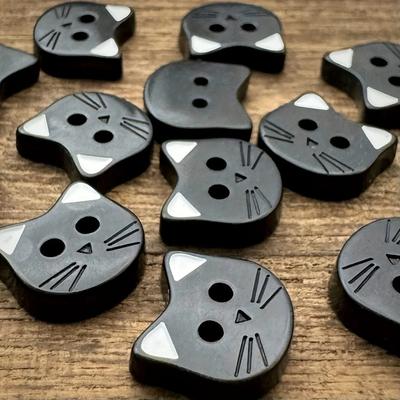
Uplifted Finds Cute Black Cat Resin Sewing Buttons Decorative Craft Fasteners Set Of 10 Cute Black Cat Resin Sewing Buttons Decorative Craft Fasteners Set Of 10Add a playful and charming touch to your DIY projects with these adorable black cat resin buttons. Designed with cute white ears and expressive faces, these buttons are perfect for sewing, crafting, and decorative accents. Their compact size makes...40,97 $*Shipping: 0,00 $Secure redirect to the provider
-
Inspired Deals Thread Cutter Ring Finger Tool For Sewing & Embroidery Precision Cutting blackTired of reaching for scissors every time you need a quick trim This 10 pcs thread cutter ring is designed to stay right where you need iton your fingerso you can cut threads instantly and keep your workflow smooth. Perfect for crafters, sewists,...39,97 $*Shipping: 0,00 $Secure redirect to the provider
-
How does crossing-over influence recombination?
Crossing-over is a process during meiosis where homologous chromosomes exchange genetic material. This exchange of genetic material results in new combinations of alleles on the chromosomes, leading to genetic recombination. By shuffling genetic material between homologous chromosomes, crossing-over increases genetic diversity in offspring and can result in the creation of new combinations of traits. This process is essential for generating genetic variation within a population and plays a crucial role in evolution. **
-
What is recombination and genetic variability?
Recombination is the process by which genetic material is exchanged between two similar molecules of DNA, resulting in new combinations of genes. This process occurs during meiosis, the cell division that produces gametes (sperm and egg cells). Genetic variability refers to the diversity of genetic material within a population, which is influenced by factors such as recombination, mutations, and gene flow. Recombination plays a key role in generating genetic variability by creating new combinations of genes, which can lead to increased diversity and adaptation within a population. **
-
How many offspring are produced through recombination?
Recombination typically results in two offspring being produced. This is because during recombination, genetic material from two parent organisms is combined to create a new individual with a unique combination of traits. This process allows for genetic diversity and variation within a population. **
-
When does disproportionation occur instead of recombination?
Disproportionation occurs when a single species is both oxidized and reduced in a reaction, leading to the formation of two different products with different oxidation states. This process typically occurs when the species involved can exist in multiple oxidation states and there is no suitable reactant available for recombination. In contrast, recombination occurs when two species with different oxidation states combine to form a single product with an intermediate oxidation state. **
* All prices are inclusive of VAT and, if applicable, plus shipping costs. The offer information is based on the details provided by the respective shop and is updated through automated processes. Real-time updates do not occur, so deviations can occur in individual cases. ** Note: Parts of this content were created by AI.