Buy faden.eu ?
We are moving the project
faden.eu .
Are you interested in purchasing the domain
faden.eu ?
domain@kv-gmbh.de · 0541-91531010
Buy faden.eu ?
Is the luminous clock radioactive?
No, the luminous clock is not radioactive. The luminescence in the clock is typically achieved using a phosphorescent material that absorbs light and then slowly releases it over time. This process does not involve any radioactive materials. The glow from the clock is simply a result of this light-absorption and emission process. **
What are self-luminous bodies?
Self-luminous bodies are objects that emit their own light, as opposed to reflecting light from another source. Examples of self-luminous bodies include stars, the sun, and certain types of light bulbs. These objects generate their own energy through processes like nuclear fusion or electrical current, which produces light as a byproduct. **


Similar search terms for Luminous
Top-Angebote
Products related to Luminous:
-
Inspired Deals Thread Cutter Ring Finger Tool For Sewing & Embroidery Precision Cutting orangeTired of reaching for scissors every time you need a quick trim This 10 pcs thread cutter ring is designed to stay right where you need iton your fingerso you can cut threads instantly and keep your workflow smooth. Perfect for crafters, sewists,...39,97 $*Shipping: 0,00 $Secure redirect to the provider
-
Uplift Picks Aluminum Needle Threader Set 50 Or 100PCS Fast Threading Tools For Sewing And Embroidery 50 PcsMake threading small needle eyes quicker and less frustrating. These needle threaders use a lightweight aluminum grip with a fine wire loop that guides thread through compatible handsewing needles. Comparable designs are widely used for embroidery,...25,00 $*Shipping: 0,00 $Secure redirect to the provider
-
Multisell Products Hub Mini Needle File Kit For Stone, Glass, Metal Carving Premium Craft Needle File Set Mini Needle File Kit For Stone, Glass, Metal Carving Premium Craft Needle File SetUnlock your creative potential with 10 pcs 140 MM our Mini Needle File Kita versatile and precisioncrafted toolset designed for stone, glass, and metal carving. Whether you're a professional artisan or a DIY enthusiast, this set provides you with...29,97 $*Shipping: 0,00 $Secure redirect to the provider


-
What is a luminous point?
A luminous point is a theoretical concept used in physics and optics to represent a source of light that emits light in all directions. It is often used as a simplification in the study of light and its behavior, allowing for easier calculations and analysis. In reality, a luminous point does not exist as a physical object, but it is a useful tool for understanding the behavior of light in various systems. **
-
Why is the luminous intensity and not the luminous flux specified for reflector lamps?
The luminous intensity is specified for reflector lamps because it measures the amount of light emitted in a specific direction, which is important for directional lighting applications such as spotlights and floodlights. Reflectors are designed to control and direct light in a specific direction, so specifying luminous intensity helps to ensure that the lamp is suitable for its intended purpose. Luminous flux, on the other hand, measures the total amount of visible light emitted by a source in all directions, which may not be as relevant for reflector lamps where the focus is on directing light in a specific direction. **
-
What is the difference between a self-luminous and an externally luminous object in physics?
In physics, a self-luminous object is one that produces its own light, such as the sun or a light bulb. These objects emit light due to internal processes, such as nuclear fusion or electrical excitation. On the other hand, an externally luminous object is one that reflects light from another source, such as the moon or a mirror. These objects do not produce their own light but appear illuminated due to the light they reflect from another source. **
-
What are self-luminous celestial bodies?
Self-luminous celestial bodies are objects in space that emit their own light and heat. This includes stars, which generate energy through nuclear fusion in their cores, as well as other luminous objects such as brown dwarfs and hot gas giants. These bodies are able to shine and be visible from Earth due to the light they produce, unlike non-luminous celestial bodies such as planets and moons, which reflect light from the Sun. **

What are Genshin Impact Luminous Crystals?
Genshin Impact Luminous Crystals are a type of valuable resource that can be found in the game world of Teyvat. They are used for crafting and upgrading weapons, as well as for character ascension. Luminous Crystals come in different elemental varieties, such as Anemo, Geo, Electro, and so on, and players can collect them by mining or defeating certain enemies. These crystals are essential for progressing and strengthening characters and equipment in Genshin Impact. **
How do you calculate luminous flux?
Luminous flux is calculated by multiplying the illuminance (in lux) by the area over which the light is distributed. The formula for calculating luminous flux is: Luminous flux (in lumens) = illuminance (in lux) × area (in square meters) This formula takes into account the intensity of the light (illuminance) and the size of the area over which the light is spread to determine the total luminous flux emitted by the light source. **
Top-Angebote
Products related to Luminous:
-
United Precision Thread Clippers For Sewing And Embroidery Sharp Thread Snips Iron Steel Cutter s etp 0901fTransform every sewing project with clean, effortless cuts using these Thread Clippers. Designed for tailors, quilters, embroiderers, and DIY crafters, this compact cutting tool delivers precise trimming without damaging fabric. The durable iron and...39,97 $*Shipping: 0,00 $Secure redirect to the provider
-
Multicon Wholesale Hub Seam Ripper Durable Plastic Handle Stitch Rippers For Thread Removal Perfect For Sewing & Craft Projects Seam Ripper Durable Plastic Handle Stitch Rippers For Thread Removal Perfect For Sewing & Craft ProjectsTired of struggling with stubborn threads and seams This 4Pack Seam Ripper Set(random colors) offers an effortless way to remove unwanted stitches and threads with precision. Whether you're a seasoned seamstress or just starting out, these ergonomic...49,97 $*Shipping: 0,00 $Secure redirect to the provider
-
Inspired Deals Thread Cutter Ring Finger Tool For Sewing & Embroidery Precision Cutting orangeTired of reaching for scissors every time you need a quick trim This 10 pcs thread cutter ring is designed to stay right where you need iton your fingerso you can cut threads instantly and keep your workflow smooth. Perfect for crafters, sewists,...39,97 $*Shipping: 0,00 $Secure redirect to the provider
-
Uplift Picks Aluminum Needle Threader Set 50 Or 100PCS Fast Threading Tools For Sewing And Embroidery 50 PcsMake threading small needle eyes quicker and less frustrating. These needle threaders use a lightweight aluminum grip with a fine wire loop that guides thread through compatible handsewing needles. Comparable designs are widely used for embroidery,...25,00 $*Shipping: 0,00 $Secure redirect to the provider
-
Is the luminous clock radioactive?
No, the luminous clock is not radioactive. The luminescence in the clock is typically achieved using a phosphorescent material that absorbs light and then slowly releases it over time. This process does not involve any radioactive materials. The glow from the clock is simply a result of this light-absorption and emission process. **
-
What are self-luminous bodies?
Self-luminous bodies are objects that emit their own light, as opposed to reflecting light from another source. Examples of self-luminous bodies include stars, the sun, and certain types of light bulbs. These objects generate their own energy through processes like nuclear fusion or electrical current, which produces light as a byproduct. **
-
What is a luminous point?
A luminous point is a theoretical concept used in physics and optics to represent a source of light that emits light in all directions. It is often used as a simplification in the study of light and its behavior, allowing for easier calculations and analysis. In reality, a luminous point does not exist as a physical object, but it is a useful tool for understanding the behavior of light in various systems. **
-
Why is the luminous intensity and not the luminous flux specified for reflector lamps?
The luminous intensity is specified for reflector lamps because it measures the amount of light emitted in a specific direction, which is important for directional lighting applications such as spotlights and floodlights. Reflectors are designed to control and direct light in a specific direction, so specifying luminous intensity helps to ensure that the lamp is suitable for its intended purpose. Luminous flux, on the other hand, measures the total amount of visible light emitted by a source in all directions, which may not be as relevant for reflector lamps where the focus is on directing light in a specific direction. **
Similar search terms for Luminous
-
Multisell Products Hub Mini Needle File Kit For Stone, Glass, Metal Carving Premium Craft Needle File Set Mini Needle File Kit For Stone, Glass, Metal Carving Premium Craft Needle File SetUnlock your creative potential with 10 pcs 140 MM our Mini Needle File Kita versatile and precisioncrafted toolset designed for stone, glass, and metal carving. Whether you're a professional artisan or a DIY enthusiast, this set provides you with...29,97 $*Shipping: 0,00 $Secure redirect to the provider
-
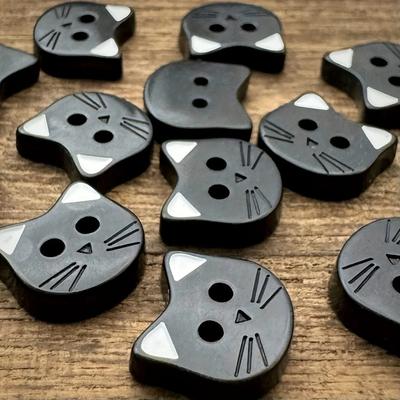
Uplifted Finds Cute Black Cat Resin Sewing Buttons Decorative Craft Fasteners Set Of 10 Cute Black Cat Resin Sewing Buttons Decorative Craft Fasteners Set Of 10Add a playful and charming touch to your DIY projects with these adorable black cat resin buttons. Designed with cute white ears and expressive faces, these buttons are perfect for sewing, crafting, and decorative accents. Their compact size makes...40,97 $*Shipping: 0,00 $Secure redirect to the provider
-
Inspired Deals Thread Cutter Ring Finger Tool For Sewing & Embroidery Precision Cutting blackTired of reaching for scissors every time you need a quick trim This 10 pcs thread cutter ring is designed to stay right where you need iton your fingerso you can cut threads instantly and keep your workflow smooth. Perfect for crafters, sewists,...39,97 $*Shipping: 0,00 $Secure redirect to the provider
-
What is the difference between a self-luminous and an externally luminous object in physics?
In physics, a self-luminous object is one that produces its own light, such as the sun or a light bulb. These objects emit light due to internal processes, such as nuclear fusion or electrical excitation. On the other hand, an externally luminous object is one that reflects light from another source, such as the moon or a mirror. These objects do not produce their own light but appear illuminated due to the light they reflect from another source. **
-
What are self-luminous celestial bodies?
Self-luminous celestial bodies are objects in space that emit their own light and heat. This includes stars, which generate energy through nuclear fusion in their cores, as well as other luminous objects such as brown dwarfs and hot gas giants. These bodies are able to shine and be visible from Earth due to the light they produce, unlike non-luminous celestial bodies such as planets and moons, which reflect light from the Sun. **
-
What are Genshin Impact Luminous Crystals?
Genshin Impact Luminous Crystals are a type of valuable resource that can be found in the game world of Teyvat. They are used for crafting and upgrading weapons, as well as for character ascension. Luminous Crystals come in different elemental varieties, such as Anemo, Geo, Electro, and so on, and players can collect them by mining or defeating certain enemies. These crystals are essential for progressing and strengthening characters and equipment in Genshin Impact. **
-
How do you calculate luminous flux?
Luminous flux is calculated by multiplying the illuminance (in lux) by the area over which the light is distributed. The formula for calculating luminous flux is: Luminous flux (in lumens) = illuminance (in lux) × area (in square meters) This formula takes into account the intensity of the light (illuminance) and the size of the area over which the light is spread to determine the total luminous flux emitted by the light source. **
* All prices are inclusive of VAT and, if applicable, plus shipping costs. The offer information is based on the details provided by the respective shop and is updated through automated processes. Real-time updates do not occur, so deviations can occur in individual cases. ** Note: Parts of this content were created by AI.